
The Basics of Graphics Design
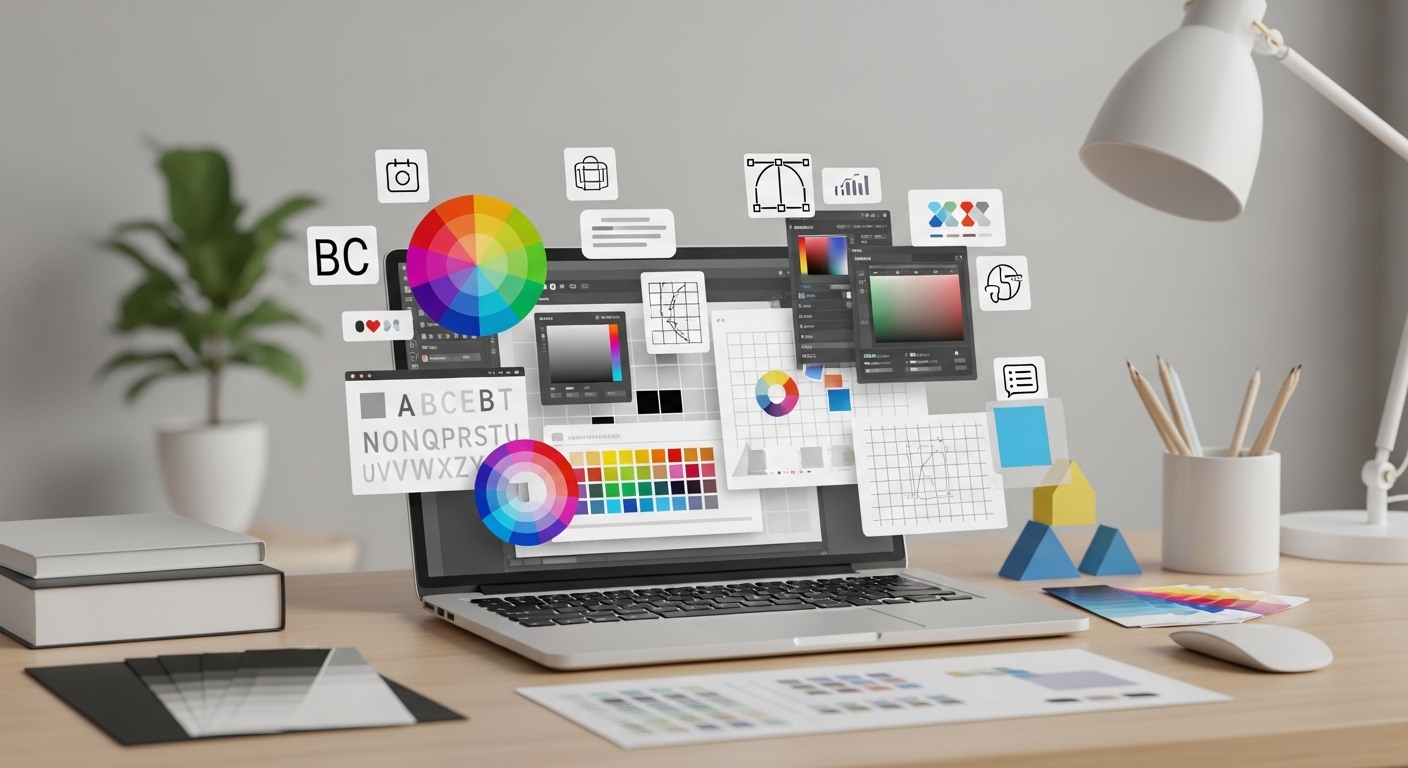
Graphics design plays a major role in how brands communicate, attract attention, and build trust in the digital world. Whether you are a beginner, a business owner, or someone curious about visual communication, understanding the Basics of graphics design is the first step toward creating designs that look professional and effective.
In this guide, you will learn what graphics design is, why it matters, and the core principles every designer must understand.
What Is Graphics Design?
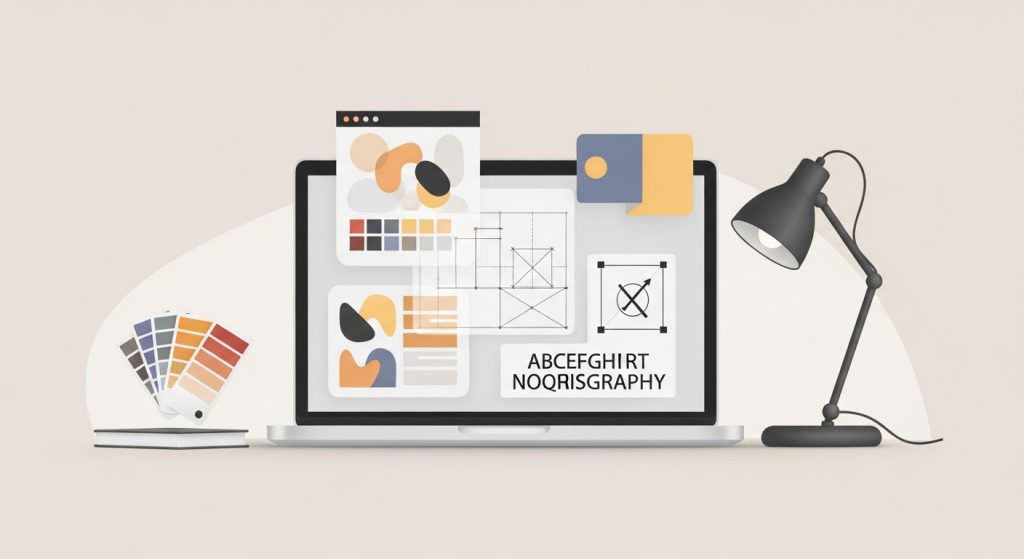
Graphics design is the art and practice of creating visual content to communicate messages. It combines text, images, colors, shapes, and layout to deliver information clearly and attractively.
From logos and websites to social media posts, flyers, and product packaging, graphics design helps shape how people perceive a brand or message. Mastering the basics of graphics design allows you to create visuals that are not only beautiful but also purposeful.
Why the Basics of Graphics Design Matter
Understanding the Basics of graphics design helps you:
- Communicate ideas clearly
- Build brand consistency
- Improve user experience
- Increase engagement and trust
- Avoid common beginner design mistakes
Good design is not just about aesthetics. It is about clarity, balance, and guiding the viewer’s attention.
Core Elements of Graphics Design
To truly understand the BAsics of graphics design, you need to know the essential elements that make up every design.
1. Color
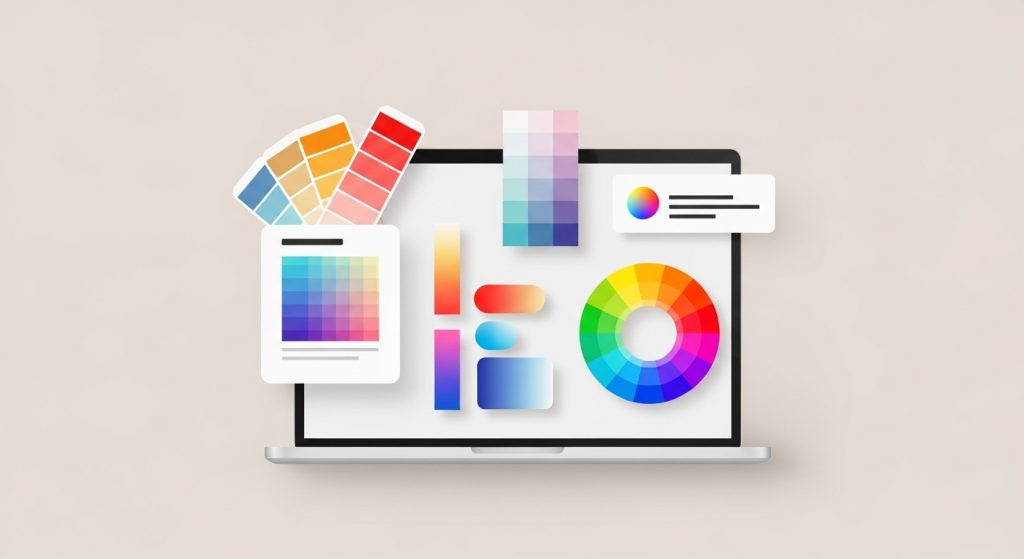
Color influences emotions and perception. Different colors communicate different meanings. For example, blue often represents trust, green suggests growth, and red conveys energy or urgency.
Learning how to combine colors properly is a key part of the Basics of graphics design.
2. Typography
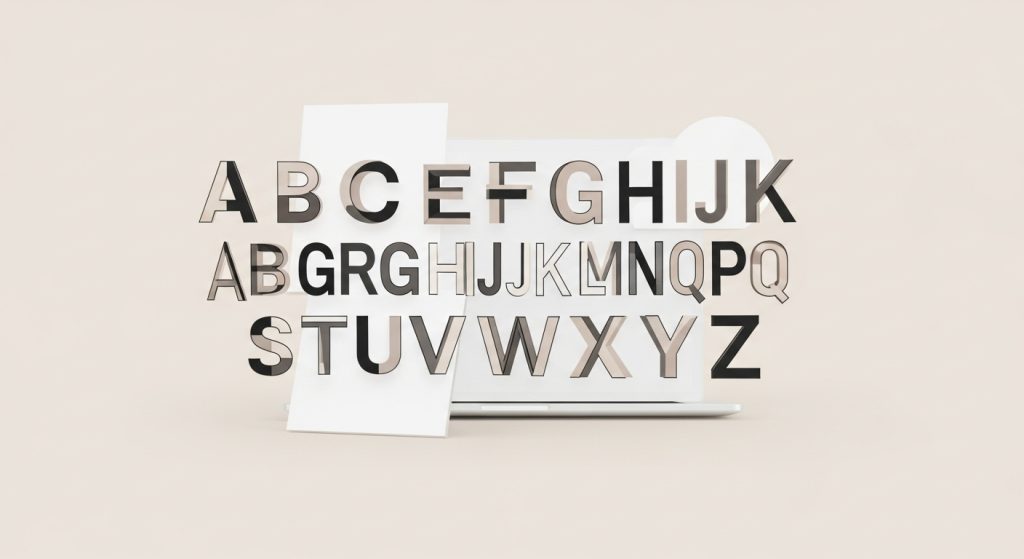
Typography refers to the style, size, and arrangement of text. Good typography improves readability and sets the tone of your design.
Choosing the right fonts and spacing is a foundational skill in the Basics of graphics design.
3. Images and Graphics

Images help tell a story visually. High-quality images, icons, and illustrations can instantly communicate ideas faster than text alone.
Using visuals correctly is one of the most important Basics of graphics design.
4. Layout and Alignment
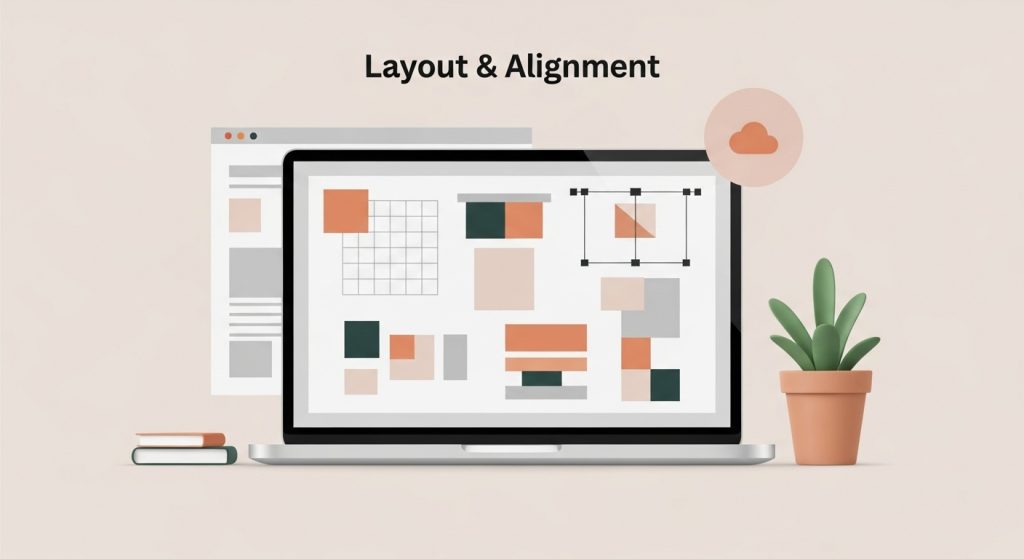
Layout is how elements are arranged on a page. Proper alignment creates structure and balance, making designs easier to understand.
Clean layout design is a non-negotiable part of the Basics of graphics design.
5. White Space
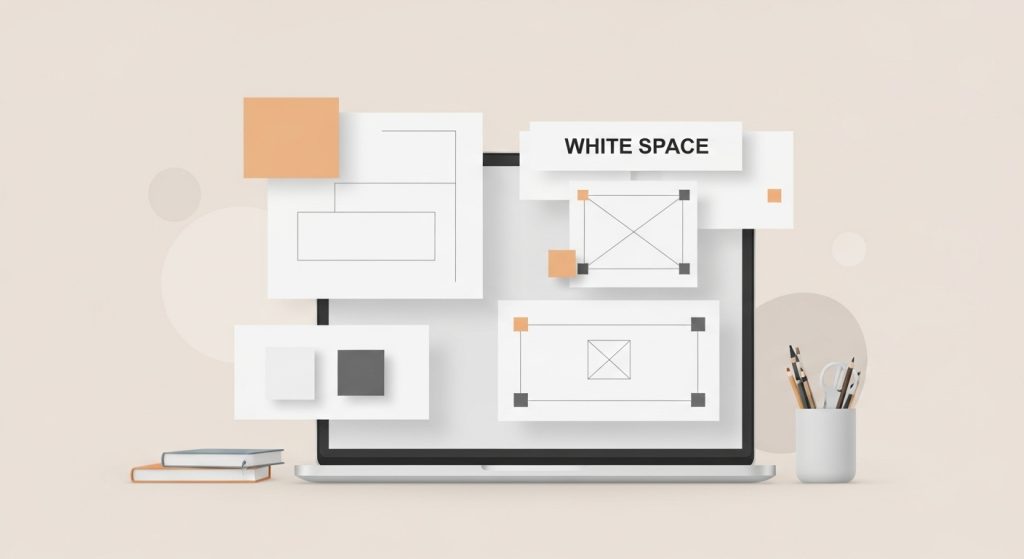
White space, also known as negative space, is the empty space around elements. It improves readability and prevents designs from looking cluttered.
Many beginners ignore this, but white space is a powerful concept in the basics of graphic design.
Principles of Graphics Design
Beyond elements, there are principles that guide how designs should work.
Contrast
Contrast helps important elements stand out. This can be achieved using color, size, or typography differences.
Consistency
Consistency ensures your design looks unified. Using the same colors, fonts, and spacing builds visual harmony.
Hierarchy
Visual hierarchy guides the viewer’s eye to the most important information first. Headlines, subheadings, and call-to-actions should be clearly defined.
These principles are at the heart of the basics of graphics design.
Tools Used in Graphics Design

Understanding the basics of graphics design also includes knowing common tools used by designers:
- Adobe Photoshop
- Adobe Illustrator
- Adobe After Effects for motion graphics
- Figma
- Canva for beginners
The tool matters less than understanding the fundamentals behind good design.
Common Mistakes Beginners Make
When learning the basics of graphics design, beginners often make these mistakes:
- Using too many fonts
- Overloading designs with colors
- Ignoring alignment
- Using low-quality images
- Forgetting the target audience
Avoiding these mistakes can instantly improve your designs.
How to Start Learning the Basics of Graphics Design
If you want to master the basics of graphics design, start with these steps:
- Learn design principles and elements
- Study good design examples
- Practice consistently
- Get feedback and improve
- Build simple projects like social media posts or flyers
Practice is the fastest way to grow.
Final Thoughts on the Basics of Graphics Design
The basics of graphics design are the foundation of every great visual you see online and offline. Once you understand color, typography, layout, and design principles, you can create designs that communicate clearly and look professional.
Whether you plan to become a designer or simply want better visuals for your brand, mastering the basics will always give you an advantage.
Ready to Apply the Basics of Graphics Design to Your Brand?
Understanding the basics of graphics design is one thing, but applying them correctly to create professional visuals is what truly makes the difference. If you want eye-catching designs for your brand, business, website, or social media, I can help you bring your ideas to life with clean, effective, and modern design.
👉 Contact me directly on WhatsApp to get started:
https://wa.link/hbpebe
Let’s create designs that communicate clearly, look professional, and actually convert.

